
Milton Kitchen Remodeling: The Complete 2026 Guide
As you’re preparing for your kitchen remodel in Milton, GA, we’ve prepared a comprehensive guide to help you in your journey. In this guide, we’ll cover:
Realistic cost ranges for the Milton market
A clear explanation of what does and does not require a permit
A step-by-step walkthrough of the remodeling process
The questions you need to ask before hiring a contractor
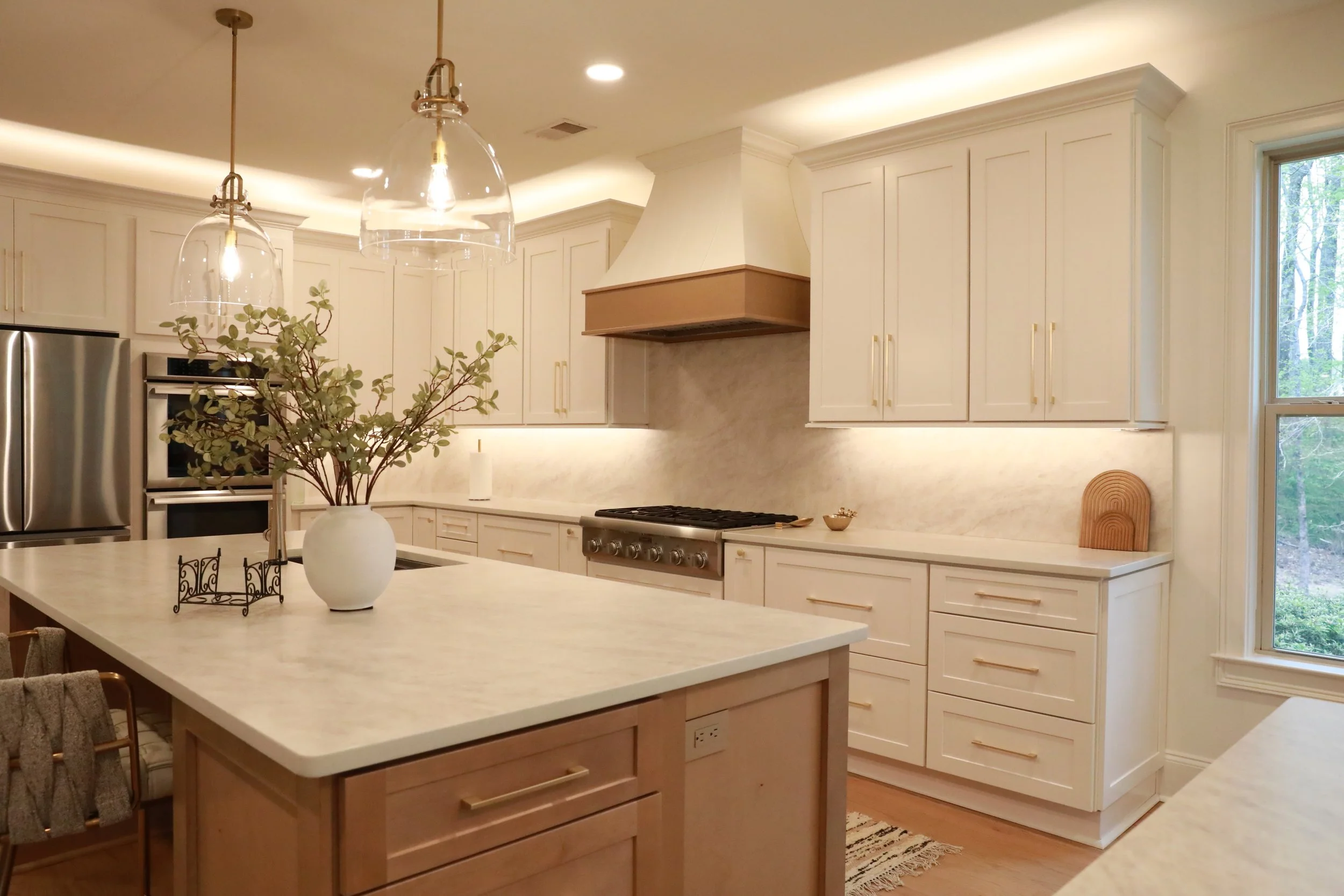
People buy in Milton for a reason. The homes are larger, the ceilings are higher, and the lots often offer the kind of outdoor space that is harder to find in other parts of metro Atlanta. But when the kitchen still looks and functions like it did in the early 2000s, it can feel out of step with the rest of the home.
A kitchen remodel in Milton is different from a remodel in an older, smaller home elsewhere in the metro area. Depending on the layout, you may be able to open the kitchen to the keeping room, add a butler’s pantry, or improve the connection to outdoor living space.
Kitchen remodeling is also one of the strongest improvements you can make in a North Fulton home. Milton’s home values are among the highest in the region, and an outdated kitchen can weaken the appeal of an otherwise impressive property. For many homeowners, though, the bigger reason to remodel is day-to-day living. A well-designed kitchen simply makes the home easier and more enjoyable to use.
Most remodeling advice is too broad to be especially helpful. It usually does not account for Milton’s permitting process, HOA and ARC approvals in communities such as The Manor, White Columns, and Crabapple, or the structural realities of updating a 4,000-square-foot home built in the mid-2000s.
This guide addresses all the above, and more. Whether you are considering a cosmetic update or a major structural remodel, this is a practical place to start.
Grand Home Design serves Milton, Johns Creek, Alpharetta, Cumming, and the greater North Metro Atlanta region. Request a free design consultation or view our portfolio.
Grand Home Design serves Milton, Johns Creek, Alpharetta, Cumming, and the greater North Metro Atlanta region. Request a free design consultation or view our portfolio.
Why Milton Kitchens Are a Different Kind of Project
Most kitchen remodeling guides treat every home the same. Square footage, cabinets, countertops, done. But Milton homes have a specific set of characteristics that change what's possible, what's complicated, and what's worth doing.
Understanding those differences up front saves time, money, and a lot of frustration.
The Estate Footprint Advantage (and Its Challenges)
Many Milton homes were built between 2000 and 2015, during a period of rapid residential growth. Those homes often came with generous footprints, high ceilings, and floor plans that aimed for openness. At the same time, many kitchens from that era were not especially functional. Angled islands, closed-off layouts, and builder-grade cabinetry were common, and much of it now feels dated.
The upside is that Milton kitchens usually have room to improve. Compared with older homes in closer-in Atlanta neighborhoods, they often have space for:
A true work triangle
A functional island
Secondary areas such as a scullery or butler’s pantry
The potential is often there. The success of the remodel depends on how well the project is planned.
Larger kitchens also tend to mean larger projects. More tradesmen and women are involved, more materials have to be coordinated, and there’s less room for poor planning. A homeowner in Providence or Bethany Bend who wants to open the kitchen to the keeping room may need to include:
A structural beam assessment
Electrical rerouting
Ventilation changes
That kind of work is manageable when it’s anticipated, but becomes expensive and stressful when it’s not.
That’s why the design phase matters so much. A contractor who skips detailed planning is not saving time. They are simply pushing important decisions into the middle of construction, when changes are harder and more expensive to make. We do all our design work in-house, so we help you with your Milton kitchen remodel project.
Neighborhoods We Work In Across Milton
Milton is made up of distinct communities, and each one can shape a remodeling project in a different way.
Crabapple
Because of the village setting, exterior visibility matters. Architectural Review Committee guidelines may apply even to changes such as window replacements. Kitchen projects here often include pantry additions and ventilation upgrades that need to be routed to the exterior.
The Manor and White Columns
These communities have active HOAs and detailed ARC processes. Interior kitchen renovations are usually straightforward from a permitting standpoint, but any exterior-facing change, such as a new window above the sink or a new door off the breakfast area, may require ARC approval before work can begin.
The Manor and White Columns
These neighborhoods tend to be family-oriented, and the priorities reflect that. Homeowners often ask for:
More storage
Durable surfaces
Better task lighting
Finishes that hold up to everyday wear
Birmingham Falls and Rural Milton
Larger lots can offer more flexibility, but some properties rely on well and septic systems instead of city utilities. That becomes important if the project involves relocating plumbing.
Estate and Equestrian Properties
LHomes with detached structures or non-city utilities may have additional plumbing and infrastructure considerations. Those details should be addressed early so the scope is clear from the start.
Knowing your neighborhood is more than background information. It can affect:
Approval requirements
Scheduling
What is realistically within your budget
Why Milton Homeowners Are Investing In Kitchen Remodels
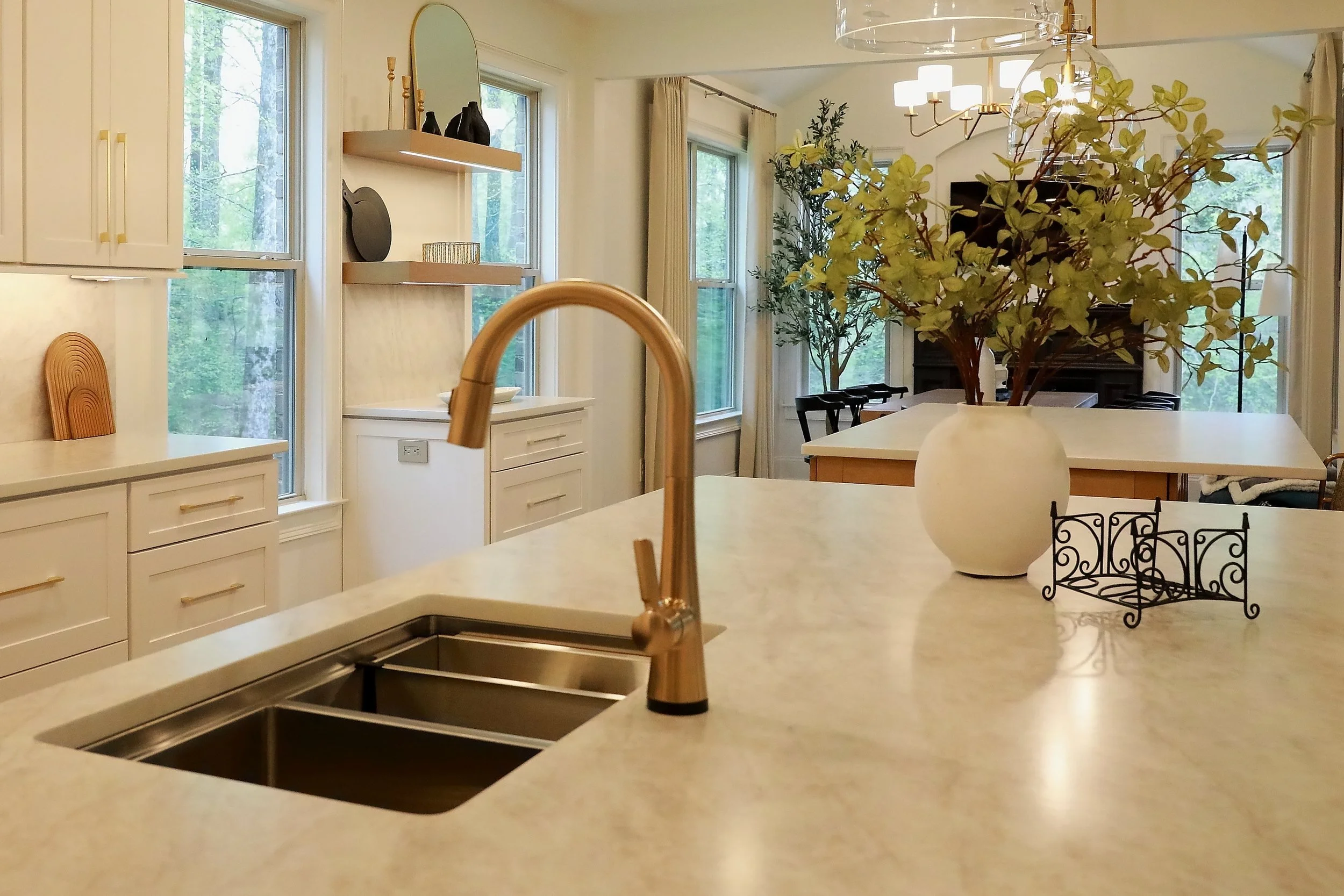
Kitchen remodeling remains a strong priority in North Fulton, even when the broader housing market slows. Many Milton homeowners are improving homes they plan to stay in, and the kitchen is often the place where that investment has the most visible impact.
The ROI Case for North Fulton Kitchens
Milton is one of the highest-value residential markets in the Atlanta metro area. Median home prices regularly exceed $900,000, and in neighborhoods such as The Manor and White Columns, they often go well beyond that. In that kind of market, an outdated kitchen stands out quickly.
According to the annual Cost vs. Value report published by Zonda in partnership with the Journal of Light Construction, a major midrange kitchen remodel in the South Atlantic region returns roughly 53 to 54 percent of its cost at resale on average. In a high-value market, that return can be stronger because buyers expect the kitchen to match the quality of the rest of the home. When it does not, they notice.
Still, resale is only part of the conversation. Most homeowners begin with how the kitchen functions now. The layout may not fit how the family actually uses the space. The kitchen may feel closed off from the areas where people gather. The island may be too small to be useful. Appliances installed in 2008 may be wearing out at the same time.
A thoughtful remodel can address those daily frustrations in a way that matters long after the project is finished.
Timing also matters. Conditions are more stable than they were during 2021 and 2022, but material costs and lead times can still shift. Homeowners should confirm current pricing and schedules during the consultation process.
Common reasons Milton homeowners are moving forward with kitchen remodels now include:
Home values support the investment. At Milton price points, a well-executed kitchen remodel is one of the strongest improvements you can make, especially before listing.
Homes are reaching the right age. Much of Milton’s housing stock is now 15 to 25 years old, and many original finishes and fixtures are nearing the end of their useful life.
Families are staying put. Many homeowners are holding onto existing mortgage rates, and move-in-ready inventory remains limited. Improving the current home often makes more sense than moving.
The planning window matters. A full remodel often takes three to five months from initial consultation to final walkthrough, depending on scope, materials, and permitting.
The case for investing is strong. The outcome depends on how well the project is planned and executed.
What Does A Kitchen Remodel in Milton, GA actually Cost?
This is usually the first question homeowners ask, and understandably so. In Milton, kitchen remodels can range from about $15,000 for a cosmetic refresh to well over $120,000 for a full structural renovation with custom cabinetry and premium appliances.
The final cost depends on:
Scope of work
Material selection
Unexpected discoveries during construction
A Realistic Cost Breakdown by Scope
Cosmetic Refresh: $15,000 to $30,000
This level usually includes:
new cabinet fronts or hardware
updated countertops
a new backsplash
new fixtures
paint
The layout stays the same. It is a good fit when the kitchen functions well, and the main goal is to update aging finishes.
Mid-Range Remodel: $35,000 to $65,000
This scope often includes:
new cabinetry
countertops
flooring
appliances
updated lighting
electrical work
The layout may shift slightly, but walls generally stay in place. This is a common range for Milton homeowners who want a substantial upgrade without a full gut renovation.
Full Structural Remodel: $70,000 to $120,000+
This level may include:
layout changes
wall removal
custom cabinetry
premium appliance packages
full electrical, plumbing, and ventilation work
It makes sense when the existing kitchen genuinely limits how the home functions. For reference, the 2025 Cost vs. Value report places the average major midrange kitchen remodel in the South Atlantic region at about $78,000, which lines up with the middle to upper portion of this market.
These ranges are meant as guidance, not fixed quotes. The actual number depends on the exact scope, selected materials, and site conditions.
What Drives Cost Up
Several factors consistently push a project toward the higher end of the budget:
Moving load-bearing walls. This usually requires a structural engineer and a permit.
Custom versus semi-custom cabinetry. Custom cabinetry costs more, but it can also improve fit and finish.
Professional-grade appliances. Larger appliances can affect electrical, ventilation, and cabinet planning.
Material lead times. Ordering too late can delay the project.
Site conditions. Once walls are opened, older wiring or plumbing may need to be brought up to code.
Use This Rule for contingency planning
Set aside 10 to 15 percent above the project estimate for unexpected conditions. That may include:
subfloor damage after tile removal
discontinued materials
an electrical panel upgrade before new circuits can be added
A contingency does not mean something has gone wrong. It means the project has been planned with a realistic buffer that will cover any unforeseen issues.
How Permitting And HOA approval Work in milton
This is one of the most overlooked parts of kitchen remodeling, and it causes a great deal of unnecessary stress when homeowners are not prepared for it. In Milton, a project may involve both city permitting and HOA or ARC approval, and those are separate processes with separate timelines.
Understanding both before construction begins helps protect the schedule.
Does your kitchen remodel need a permit in milton, GA?
The City of Milton handles building permits through its Community Development department using the CityView portal. Whether a permit is required depends on the work being performed.
Permits are typically required for:
structural changes, including wall removal or modification
electrical upgrades such as new circuits or panel work
gas line relocation or new gas connections
plumbing changes, including moving a sink or relocating a dishwasher line
Permits are generally not required for:
cabinet refacing or replacing cabinet doors in the same location
new countertops within the existing footprint
backsplash, paint, and other cosmetic updates
like-for-like fixture swaps where no new lines are added
A good rule is simple: if a licensed trade is changing the system behind the wall, a permit is probably involved. When there is any doubt, it is safer to pull the permit than to skip it.
The HOA and ARC Process in Milton Communities
Many of Milton’s established communities, including The Manor, White Columns, and neighborhoods around Crabapple, have active Architectural Review Committees. These committees are responsible for protecting the visual consistency of the neighborhood, and they often have authority over certain exterior-facing changes.
ARC review is commonly triggered by:
adding or enlarging windows visible from the street or common areas
installing exterior doors or sliding doors
visible vent hood penetrations or changes to rooflines
other exterior modifications, even minor ones
Interior-only kitchen work usually does not require ARC approval. If the remodel stays within the house and does not alter anything visible from outside, an HOA submittal may not be necessary.
The timeline is often where homeowners get caught off guard. Many ARC committees meet on a monthly schedule, and approvals may take several weeks or longer. Starting the ARC process during design helps keep the construction schedule from slipping later.
What Happens If You Skip Permits?
Some contractors present permit avoidance as a shortcut. It is not. It is a liability that usually shows up later, when the cost is higher.
At resale:
Unpermitted work can surface during inspections and lead to disclosure issues, renegotiations, or failed deals.
With insurance:
If a claim involves unpermitted electrical or plumbing work, coverage may be questioned or denied.
With the city:
Homeowners may be required to open walls later to prove code compliance, often at their own expense.
The cost of a permit is small compared with the cost of fixing unpermitted work later.
an overview of The remodeling process
Understanding cost is important, but understanding the actual process is what helps homeowners evaluate whether a contractor is prepared to manage the project well. A successful remodel follows a clear sequence. When that sequence gets rushed or skipped, problems usually follow.
step 1: Consultation and Budget alignment
The first meeting should be practical, not promotional. We walk the space, review the home’s conditions, and identify anything that may affect scope or cost, including:
plumbing locations
gas lines
wiring
structural constraints
It helps to come prepared with:
a rough wish list
inspiration images
a realistic investment range
By the end of the consultation, you should have a clearer understanding of the project’s direction and what your budget can realistically support.
step 2: Design, 3D Plans, and Material Selections
This is where the remodel becomes concrete. Using 3D renderings, you can review:
cabinet layout
appliance placement
storage
lighting
traffic flow
That step often reveals details that are easy to miss in two-dimensional plans. Resolving those issues before construction begins saves time and money.
Material selections also happen during this phase. Cabinetry, countertops, backsplash, flooring, hardware, and lighting are documented so ordering can begin before demolition starts.
step 3: Fixed Proposal and Schedule
Once design and selections are complete, you should receive a written proposal with:
an itemized scope
allowances
payment milestones
a schedule tied to actual lead times
Change orders are a normal part of remodeling. What matters is how they are handled. Each one should be documented in writing, priced clearly, and approved before the work moves forward.
step 4: The Build
Construction should be managed by licensed trades with one consistent point of contact. Dust protection should be in place before demolition starts. Floors and nearby rooms should be protected, and the site should be cleaned regularly.
Homeowners should also receive updates throughout the project so they know:
what has been completed
what inspections are coming up
what decisions still need attention
step 5: Final Walkthrough and Warranty
Before close-out, the project should go through a final walkthrough in detail. Cabinet alignment, appliance operation, paint touch-ups, hardware, grout, and other finish items should all be reviewed.
Any remaining work should go on a documented punch list and be completed before the project is considered finished
Kitchen design trends that work well in milton homes
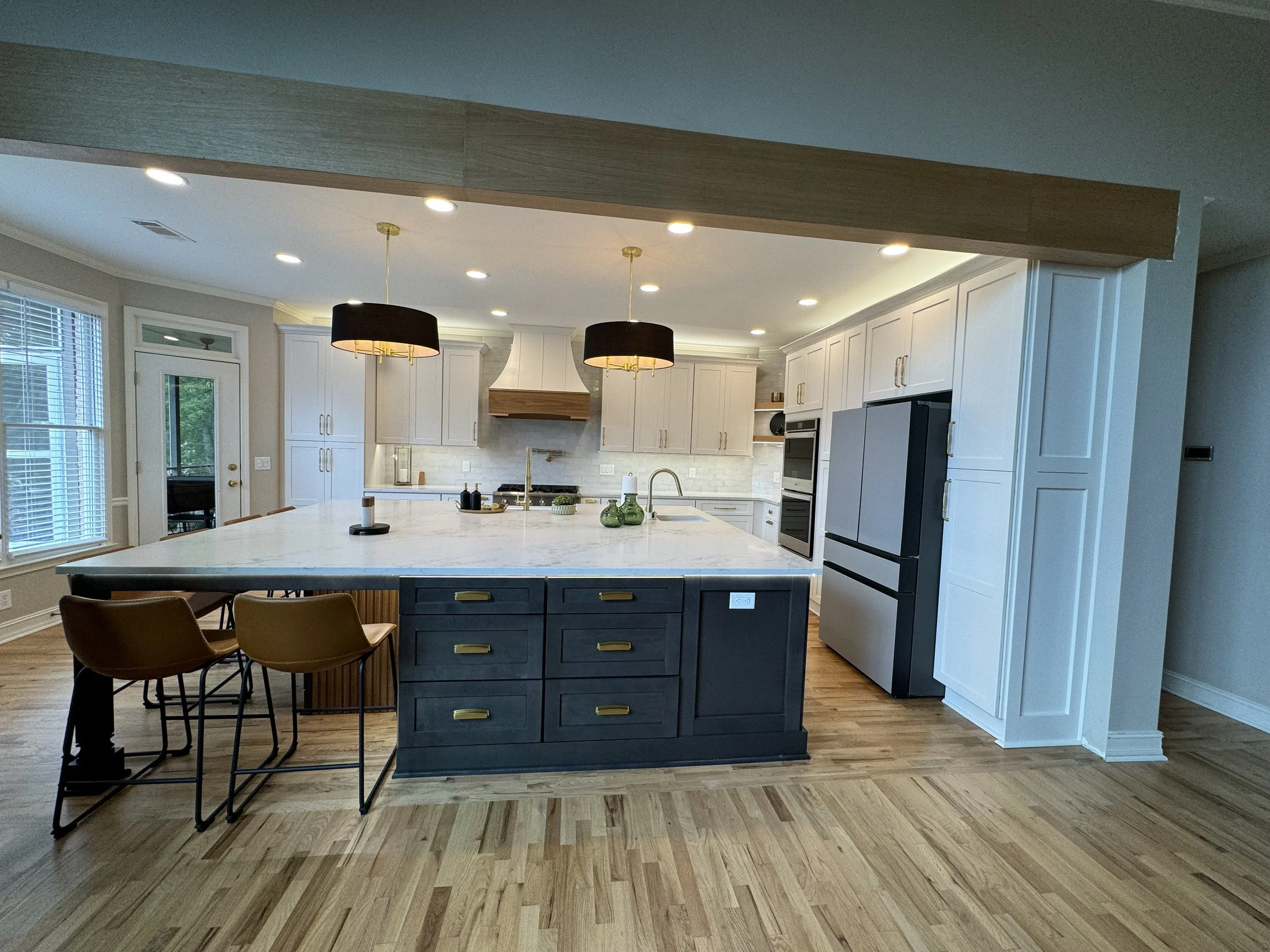
Not every trend suits every home. Milton kitchens often have high ceilings, generous square footage, and strong connections to outdoor living areas, so certain design choices tend to work especially well here.
Layouts That Make Better Use of Space
One of the most effective changes in many Milton homes is opening the kitchen to the keeping room or living area. In some homes built during the 2000s and early 2010s, the separating wall may be non-structural, though that always needs to be confirmed before demolition.
Another common improvement is reworking the island. Many original builder-installed islands were too small or poorly positioned for daily use. A better-designed island can support:
prep space
seating
storage
outlets
lighting that fits the room
A third option is converting underused adjacent space into a butler’s pantry or scullery. In many Milton floor plans, there is a desk nook, hallway segment, or transition area near the kitchen that can be put to much better use.
Materials That Hold Up in Georgia
Georgia’s heat and humidity are worth considering during material selection.
Quartz remains one of the most practical countertop choices for busy kitchens because it:
does not require sealing
resists staining
performs well with everyday use
Natural stone options such as quartzite and marble can be beautiful, but they typically require more maintenance and are more vulnerable to etching or staining.
Painted white and off-white cabinetry remains popular, and they photograph well. They can also show wear more easily around hardware and high-touch areas, especially in active family kitchens.
Ventilation deserves careful attention as well. A properly sized hood that is ducted to the exterior is usually the better long-term solution.
The Indoor-Outdoor Connection
For many Milton properties, the backyard is a major asset. A kitchen remodel is a good time to think about how the interior relates to that outdoor space.
Changes that can improve that connection include:
replacing a standard sink window with a larger one
adding a sliding door off the breakfast area
adding a folding door that opens to the outdoor living space
These changes usually involve structural work and permits, so they need to be incorporated into the design phase rather than treated as late additions.
How to choose the right kitchen remodeler in Milton
A great many remodeling problems begin with contractor selection. Price often drives that decision, which is understandable, but price on its own tells only part of the story.
What to Look for in a Milton Contractor
Start with licensure. A Georgia General Contractor license can be verified through the Georgia Secretary of State’s GOALS portal at sos.ga.gov.
Ask whether the contractor pulls permits. The answer should be direct. If they hesitate or suggest avoiding permits to save time or money, that should raise concern immediately.
Ask for a written scope of work before signing anything. You should be able to see:
what is included
what allowances are built in
what would require a change order
It is also worth asking for references from homeowners in North Fulton who completed similar projects. Website testimonials have value, but a direct conversation with a recent client provides better insight.
Questions Worth Asking Before You Sign
Who manages the project on site each day, and how do I communicate with them?
What happens if a major material is delayed?
How are change orders documented and approved?
Can I speak with homeowners in Milton or North Fulton whose kitchens you have completed?
Do you handle permitting and HOA or ARC submittals, or does that fall on me?
A Common Misconception
The lowest bid is often not the best value. In many cases, it reflects an incomplete scope.
If one contractor leaves out permits, inspections, realistic appliance allowances, or clear cabinet specifications, the price may look attractive at first. The problem shows up later, when the missing pieces turn into change orders and the homeowner has fewer options.
The best way to compare bids is to have each contractor price the same detailed scope. Without that, the numbers are not truly comparable.
Frequently Asked Questions
How long does a kitchen remodel take in Milton, GA?
A full remodel often takes three to five months from first consultation to final walkthrough, depending on scope, permitting, and material lead times. Structural work, custom cabinetry, and more complex approvals can extend the schedule.
How much does a kitchen remodel cost in Milton, GA?
Cosmetic refreshes often fall in the $15,000 to $30,000 range. Mid-range remodels with new cabinetry and appliances typically run $35,000 to $65,000. Full structural remodels with custom cabinetry, premium appliances, and layout changes can range from $70,000 to $120,000 or more.
Do I need a permit for a kitchen remodel in Milton?
It depends on the scope. Cosmetic updates such as countertops, cabinet refacing, and backsplash work often do not require permits. Structural changes, electrical work, plumbing relocation, and gas line changes usually do.
Do I need HOA approval for a kitchen remodel in Milton?
For interior-only work, HOA or ARC approval is often not required. If the project includes exterior-facing changes such as new windows, added doors, or exterior venting, ARC review may be required in many Milton communities.
Can I live in my home during a kitchen remodel?
In most cases, yes. Dust barriers, floor protection, and daily site cleanup help reduce disruption. For larger projects, it is also helpful to plan a temporary kitchen setup in another part of the home.
What is the difference between a kitchen renovation and a kitchen remodel?
A renovation usually refers to updating existing finishes and fixtures without changing the layout. A remodel usually involves layout changes, wall movement, or plumbing and electrical reconfiguration.
How do I find a reputable kitchen remodeler in Milton, GA?
Look for a licensed general contractor, ask for references from similar North Fulton projects, request a written scope before signing, and confirm that the contractor handles permits properly.
Why milton homeowners work with grand home design
There are many contractors serving North Fulton. Some do excellent work, and some do not. What we can do is explain how our process is structured and why that matters in Milton.
The Person Behind the Work
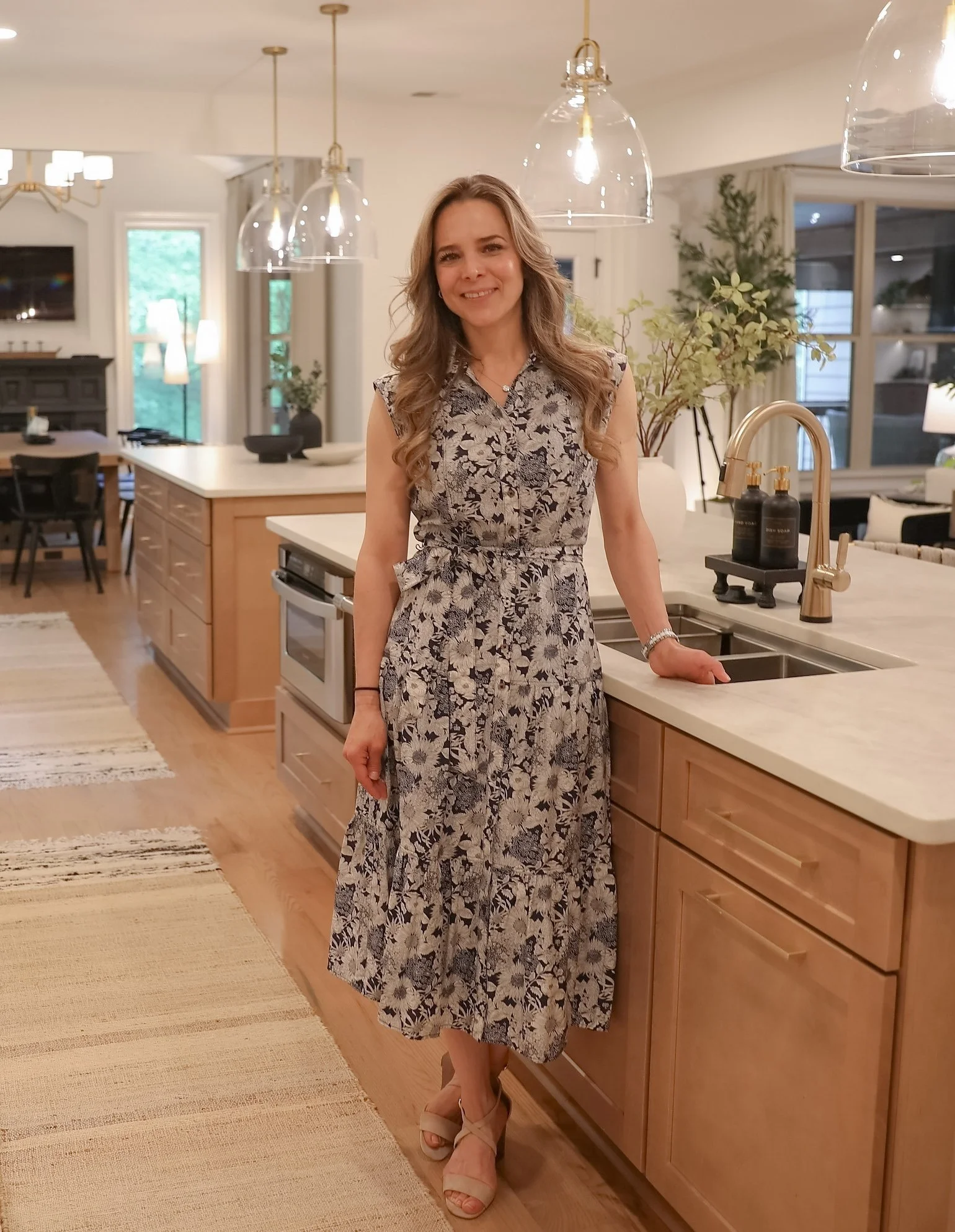
Karla Caudill brings more than two decades of design experience to each project, including work across Atlanta and North Metro communities. Her experience in North Fulton has given her a practical understanding of Milton homes, from large estate properties to family-oriented floor plans.
She is involved in the design conversation on every project, which gives clients direct access to the person shaping the plan.
How We Work
Our process is built around clarity. Every project begins with 3D renderings and a written scope before construction starts. Homeowners can see:
the layout
the costs
the allowances
before materials are ordered.
We also work in both English and Spanish. In a diverse market like North Fulton, clear communication matters, and being bilingual makes the process more accessible for more homeowners.
We plan projects with local approval requirements in mind. When a remodel involves permit-triggering work or ARC review, those requirements should be identified early so the schedule, drawings, and material selections stay aligned with the project timeline. We also coordinate HOA and ARC submittals for communities across Milton, including The Manor, White Columns, and Crabapple-area neighborhoods.
What You Can Expect
Working with Grand Home Design means having:
a clearer understanding of the project before it begins
a reliable point of contact during construction
a schedule based on actual material lead times
written change orders before additional work proceeds
a finished kitchen designed around the way your household uses the space
Ready to start your milton kitchen remodel?
A kitchen remodel is one of the most meaningful improvements you can make in a Milton home. When the scope is clear, the budget is honest, and the contractor understands the local market, the result can improve both the function and value of the home in a lasting way.
The planning phase is where most of that success is decided. Design, permitting, HOA requirements, budget clarity, and material coordination all need to be addressed before demolition begins.
Grand Home Design works with homeowners throughout Milton, from Crabapple to White Columns to Birmingham Falls. We provide:
3D design plans
written scopes
realistic schedules
permitting support
HOA coordination
If you are starting to think seriously about a remodel, the next step is a consultation. We can walk the space, discuss what is realistic for your budget, and outline the process in a straightforward way.
Start Your Kitchen Consultation
Use the button below to fill out our short consultation form, and our team will reach out to discuss next steps.